

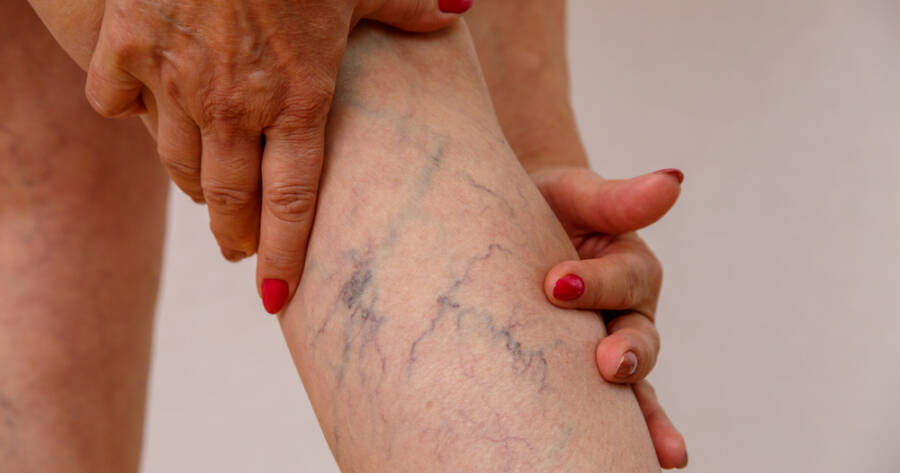
Vascular wellness studies delve into the complexities of vein-related conditions, particularly chronic venous insufficiency and varicose veins, which impact many individuals. By navigating risk factors, symptoms, and treatment options, top studies offer crucial insights for managing vascular health. Understanding key elements empowers individuals to make informed lifestyle changes and seek timely medical intervention, enhancing overall well-being.
Understanding Vascular Wellness Studies
Vascular wellness studies focus on understanding and managing conditions related to the veins, particularly in the legs. These studies are crucial as they provide insights into common conditions such as chronic venous insufficiency (CVI) and varicose veins, which affect a significant portion of the population.
Chronic venous insufficiency occurs when vein walls weaken and valves are damaged, leading to blood pooling in the legs. This condition can result from factors like lack of exercise, prolonged sitting or standing, and deep vein thrombosis (source). Varicose veins, on the other hand, are characterized by enlarged, twisted veins due to weakened or damaged valves, primarily affecting the legs due to increased pressure from standing and walking (source).
Risk Factors and Symptoms
Several risk factors contribute to the development of chronic venous insufficiency and varicose veins. These include obesity, pregnancy, a sedentary lifestyle, smoking, and prolonged periods of sitting or standing.
Women, particularly those over 50, are more susceptible due to hormonal influences and increased blood volume during pregnancy (source). Symptoms of these conditions can range from mild to severe, including swelling, aching, cramping, skin discoloration, and varicose veins. If left untreated, they can lead to more serious complications such as ulcers and deep vein thrombosis (source).
Diagnosis and Treatment Options
Diagnosing chronic venous insufficiency and varicose veins involves a combination of physical exams and imaging techniques. Duplex ultrasound is commonly used to produce images of blood vessels and assess blood flow, while other methods like magnetic resonance venogram and CT venogram can detect obstructions or valve problems (source).
Treatment options vary depending on the severity of the condition. They range from lifestyle changes, such as maintaining a healthy weight and exercising, to medical interventions like compression therapy and minimally invasive procedures such as laser ablation and phlebectomy (source).
Prevention and Management
Preventing and managing chronic venous insufficiency and varicose veins largely involves lifestyle modifications. Regular exercise, maintaining a healthy weight, and avoiding prolonged periods of sitting or standing can significantly reduce the risk.
Additionally, wearing compression stockings and elevating the legs when resting can help improve blood flow and prevent complications (source). For those already experiencing symptoms, early medical intervention is crucial to prevent the condition from worsening and to improve quality of life (source).
Why You Should Learn More About Vascular Wellness Studies
Understanding vascular wellness studies is essential for anyone looking to maintain healthy leg veins and prevent conditions like chronic venous insufficiency and varicose veins. These studies provide valuable insights into the risk factors, symptoms, and treatment options available, empowering individuals to take proactive steps in managing their vascular health.
By staying informed, individuals can make lifestyle changes that significantly reduce their risk and improve their overall quality of life. Moreover, early diagnosis and treatment can prevent serious complications, making it crucial to seek medical advice if symptoms arise.