

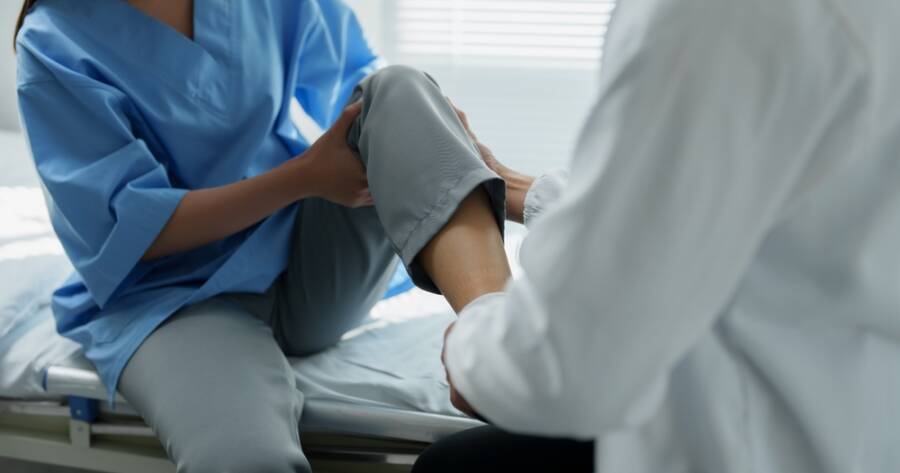
Knee pain, a common ailment affecting daily life, can stem from various causes such as arthritis, injuries, or lifestyle factors. Understanding its origins is key to effective treatment, ranging from initial nonsurgical methods to advanced surgical options. Understand preventive measures, lifestyle adjustments, and innovative therapies to enhance joint health and alleviate discomfort.
Understanding Knee Pain and Its Causes
Knee pain is a prevalent issue that can significantly impact daily activities. It can arise from various sources, including underlying diseases like arthritis, bursitis, and tendonitis, as well as from injuries such as sprains, strains, and fractures.
Overuse, lack of physical activity, and carrying excess weight can also contribute to knee discomfort (source). Understanding the root cause of knee pain is crucial for effective treatment, as it allows for a more targeted approach to managing symptoms and improving joint function.
Diagnosis and Initial Treatment Approaches
Diagnosing knee pain typically involves a thorough examination, considering patient characteristics, history, physical examination results, and imaging tests like X-rays, MRIs, or CT scans to determine the exact cause and appropriate treatment (source).
Initial treatment for knee pain often involves nonsurgical methods such as RICE (Rest, Ice, Compression, Elevation), physical therapy, exercise, and over-the-counter pain relievers. These methods aim to reduce pain and swelling while improving mobility (source).
Advanced Treatment Options
When nonsurgical treatments are ineffective, advanced options such as injection therapy, arthroscopic surgery, knee replacement, and reconstructive procedures may be necessary. Injections, such as corticosteroid and hyaluronic acid injections, can reduce inflammation and improve knee lubrication and mobility (source). Surgical options like arthroscopic surgery and knee replacement aim to relieve pain and restore joint function, especially in severe cases (source).
Matching Treatment to the Cause of Knee Pain
The most appropriate treatment depends on what is actually causing the knee pain. A minor sprain, strain, or overuse injury may initially respond to reduced activity, ice, compression, elevation, and gradual rehabilitation, while physical therapy can help rebuild strength and stability as the injury heals (source). Bursitis is also commonly managed by resting and protecting the irritated joint, although persistent cases may require medical evaluation, physical therapy, or an injection to reduce inflammation (source). A meniscus tear is often treated conservatively at first with activity modification, ice, pain medication, and physical therapy; surgery becomes more relevant when pain continues despite rehabilitation or the knee repeatedly locks or cannot move normally (source).
Knee osteoarthritis usually calls for a longer-term approach centered on exercise, weight management when appropriate, and medications such as NSAIDs or other pain relievers. Corticosteroid injections can provide short-term relief for some people, while surgery is generally considered after nonsurgical options no longer control pain or disability (source).
More significant structural injuries require a different calculation. For example, an ACL tear may sometimes be managed without surgery in people with lower activity demands and a relatively stable knee, whereas reconstruction is more commonly considered for active patients with continuing instability or associated knee damage (source). This is why identifying the underlying cause is essential before deciding which knee pain treatment is likely to be most appropriate.
Preventive Measures and Lifestyle Adjustments
Maintaining knee health involves staying active with low-impact exercises, managing weight, wearing supportive shoes, and regular doctor visits to prevent further issues. Lifestyle changes, such as maintaining a healthy weight and avoiding high-impact activities, can help reduce knee pain by lessening stress on the joints (source). Strengthening exercises and proper footwear can also help in managing knee health (source).
Innovative and Complementary Therapies
Advanced treatments like genicular nerve blocks and peripheral nerve stimulation offer innovative ways to manage knee pain by interrupting pain signals to the brain (source). Complementary therapies, including massage, acupuncture, and yoga, can provide additional relief for knee pain sufferers, often as part of a broader treatment plan (source).
Learn More About Joint Health Treatment Information
Understanding the various treatment options for knee pain is essential for anyone experiencing discomfort or looking to maintain joint health. With a range of nonsurgical and surgical options available, individuals can find a treatment plan that suits their specific needs and lifestyle.
By staying informed about the latest advancements in knee pain management, individuals can make educated decisions about their health and well-being. Exploring preventive measures and lifestyle adjustments can also play a significant role in reducing the risk of knee pain and enhancing overall joint health.