

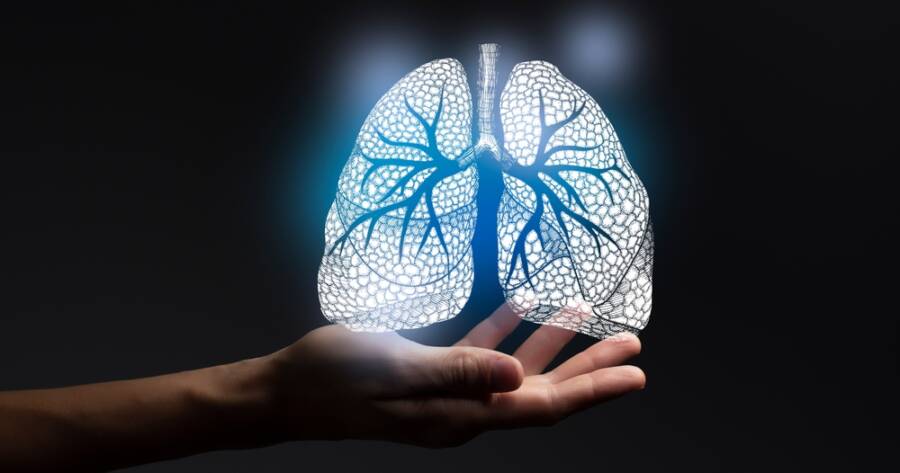
Chronic lung diseases, including COPD, IPF, and lung cancer, pose significant health challenges globally, affecting millions and leading to severe respiratory issues. As research and innovations in pulmonary health advance, understanding the impact of environmental and lifestyle factors becomes crucial. Understand the complexities, challenges, and future directions in managing debilitating conditions to enhance lung health awareness and advocacy.
Understanding Chronic Lung Diseases
Chronic lung diseases, such as Chronic Obstructive Pulmonary Disease (COPD), idiopathic pulmonary fibrosis (IPF), and lung cancer, are significant health concerns worldwide. These conditions are characterized by long-term respiratory issues that can severely impact quality of life and lead to premature death.
COPD, for instance, is a progressive disease that causes irreversible damage to the lungs and airways, making breathing increasingly difficult over time (source). Similarly, IPF is a progressive lung disease with no known cure, characterized by scarring of lung tissue that leads to a decline in lung function (source).
Research and Innovations in Pulmonary Health
Research plays a crucial role in understanding and combating chronic lung diseases. The American Lung Association Research Institute is at the forefront of this effort, focusing on increasing investments and fostering collaboration to drive innovation and discovery in the field (source).
Recent studies have identified potential new treatments for diseases like IPF, using advanced techniques such as single-cell RNA sequencing to uncover gene-expression variations associated with pulmonary fibrosis. This research suggests that targeting specific signaling pathways could offer new therapeutic strategies (source).
Environmental and Lifestyle Factors
Environmental factors, including air quality and climate change, significantly impact lung health. The American Lung Association’s “State of the Air” report provides annual insights into air quality across different communities, highlighting the importance of understanding environmental impacts on lung health (source).
Additionally, lifestyle factors such as smoking and exposure to air toxins are major contributors to lung diseases. Smoking, in particular, is the leading cause of COPD, while exposure to secondhand smoke and occupational hazards also play significant roles (source).
Challenges and Future Directions
Despite advancements in research, challenges remain in managing chronic lung diseases. The complex interactions between these diseases and environmental factors, as well as the rise of new threats like e-cigarettes, require ongoing research and policy efforts (source).
Moreover, there is a need for increased research funding, particularly in low- and middle-income countries, to address health disparities and improve outcomes for high-priority populations (source).
Indoor Air Quality and Everyday Exposures
Indoor environments can also play an important role in lung health. Many people spend a large portion of their time inside homes, offices, or schools, where exposure to pollutants such as dust, mold, cleaning chemicals, and cooking smoke can affect respiratory function. Poor ventilation may allow these particles to build up in the air, which can irritate the airways and worsen symptoms for individuals with asthma or other chronic lung conditions.
Improving indoor air quality can help reduce these risks. Simple steps such as using proper ventilation when cooking, maintaining heating and cooling systems, and controlling moisture to prevent mold growth can support healthier indoor air. These practical measures can help limit exposure to airborne irritants and create safer living environments for people with sensitive lungs or existing respiratory conditions.
Why You Should Learn More About Pulmonary Health
Understanding pulmonary health is crucial for both individuals and communities. Chronic lung diseases are a leading cause of death and disability, affecting millions of people worldwide.
By staying informed about the latest research and innovations, individuals can take proactive steps to protect their lung health and advocate for policies that improve air quality and reduce exposure to harmful substances. Additionally, increased awareness can lead to better support for research initiatives and funding, ultimately leading to improved treatments and outcomes for those affected by these debilitating conditions.