

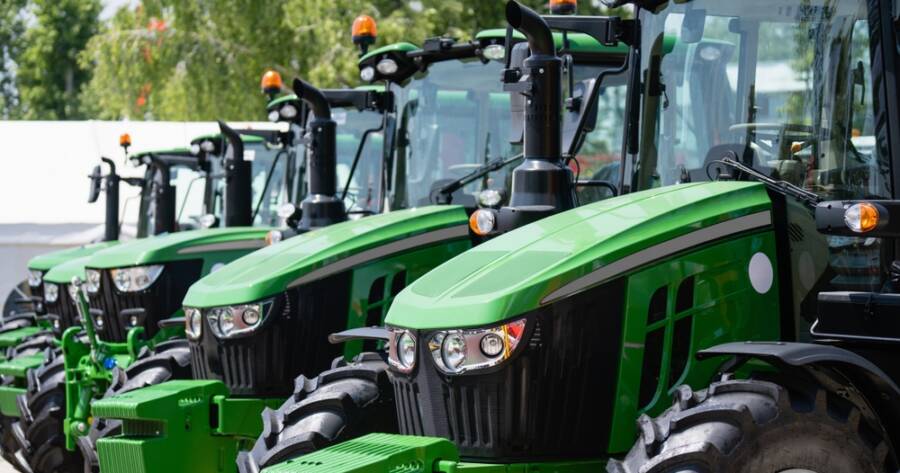
Buying a used tractor can be a smart investment for farmers looking to balance performance and cost. With many options available, understanding where to buy, what to inspect, and how to evaluate value is essential. Careful research and inspection can help ensure reliable equipment that meets your needs while avoiding unexpected expenses and costly repairs down the line.
Understanding the Benefits of Buying Used Tractors
Purchasing used tractors and farm equipment can be a cost-effective alternative to buying new models. Used tractors, when well-maintained, can perform essential tasks at a significantly lower cost, offering substantial savings without compromising on functionality (source).
This makes them an attractive option for farmers looking to conserve capital while meeting their operational needs. Additionally, used tractors often come with the advantage of simplicity, as older models may require fewer repairs and offer a straightforward user experience (source).
Where to Find Used Tractors
There are several sources for purchasing used tractors, each with its own set of advantages. Auction houses, dealerships, retirement auctions, estate sales, and private sales are popular options.
Auction houses provide accountability, while retirement auctions may offer high-quality equipment. Dealerships often inspect used tractors, providing assurance about their quality and functionality (source). Online platforms like TractorHouse.com and Fastline.com are also valuable resources for comparing prices and specifications (source).
Key Considerations When Buying Used Tractors
When selecting a used tractor, several factors should be considered to ensure it meets specific farming needs. These include tractor size, horsepower, drive type, transmission type, and the availability of compatible equipment. It’s also important to check the hour meter or tachometer to gauge the tractor’s usage accurately (source). Safety features such as rollover protective structures (ROPS), seatbelts, and safety switches are crucial to prevent accidents (source).
Inspection and Negotiation Tips
Conducting a thorough inspection is essential to avoid hidden issues that could lead to expensive repairs. Key areas to check include the engine, fluids, transmission, hydraulics, tires, and general condition. Buyers should either inspect the tractor themselves or bring a trusted expert to assess its condition (source).
If inspections reveal fixable issues, buyers can negotiate the price based on the cost of necessary repairs. A well-maintained tractor with more operational hours can be more valuable than a poorly maintained one with fewer hours (source).
Financing and Making a Safe Purchase
Financing options for used tractors are available through various institutions, such as Southern AgCredit, which offers competitive financing for buyers in Mississippi and Louisiana (source). To ensure a secure transaction, it is advisable to inspect the tractor in person, bring a knowledgeable friend or mechanic, arrange secure payments, and obtain all necessary paperwork. This approach minimizes risks and ensures a smooth purchasing process (source).
Why You Should Learn More About Agricultural Equipment Listings Today
Understanding the intricacies of buying used tractors and farm equipment can lead to significant savings and ensure that the equipment meets specific farming needs. By exploring various sources, conducting thorough inspections, and considering financing options, buyers can make informed decisions that benefit their operations. As the agricultural industry continues to evolve, staying informed about the latest trends and best practices in equipment purchasing is crucial for maintaining a competitive edge.